Laser Cutting Machines 101: Your Ultimate Guide to Innovation and Efficiency
In the world of manufacturing and design, precision and efficiency are paramount. One technology that has revolutionized these industries is the laser cutting machine. This innovative tool has become essential for various applications, from fabricating intricate designs to cutting materials with unmatched accuracy. If you're considering investing in a laser cutting machine or simply want to understand its capabilities, this guide will provide you with everything you need to know.
What is a Laser Cutting Machine?
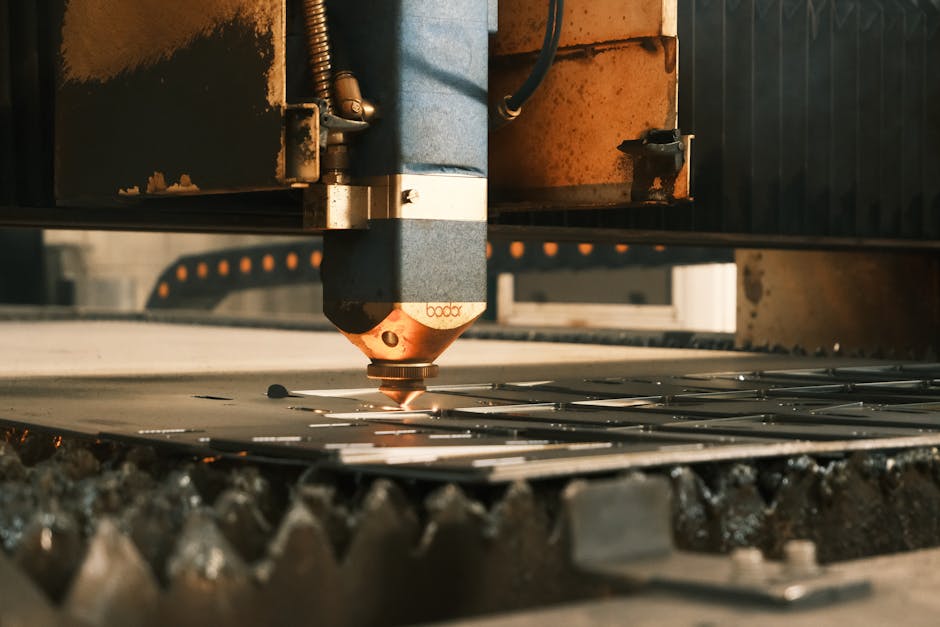
A laser cutting machine is a device that uses focused laser beams to cut or engrave materials. The process involves directing a high-powered laser through a lens to create a narrow, intense beam of light that can slice through various materials, including metals, plastics, wood, and glass. The precision of the laser allows for intricate designs and shapes, making it a favored choice in industries such as manufacturing, automotive, aerospace, and even art.
How Does a Laser Cutting Machine Work?
The operation of a laser cutting machine is relatively straightforward but relies on advanced technology. Here’s a step-by-step breakdown of the process:
-
Design Creation: The process begins with designing the desired pattern or shape using computer-aided design (CAD) software. This digital design is crucial as it dictates how the laser will move and cut.
-
Material Preparation: The material to be cut is prepared and placed on the machine's bed. Depending on the machine, this may involve securing the material to prevent movement during cutting.
-
Laser Activation: Once the design is uploaded, the machine activates the laser. The laser beam is focused through a lens, creating a narrow, high-energy beam that can pierce through the material.
-
Cutting Process: As the laser moves across the surface of the material, it vaporizes or melts the material along the designated path, resulting in a clean cut. The machine can move in various directions, allowing for complex shapes and designs.
-
Finishing Touches: After cutting, the material may need additional finishing processes, such as cleaning or polishing, to achieve the desired final appearance.
Types of Laser Cutting Machines
Laser cutting machines are available in various types, each suited for different applications. The most common types include:
1. CO2 Laser Cutting Machines
CO2 laser cutting machines use carbon dioxide gas to generate the laser beam. These machines are effective for cutting non-metal materials like wood, acrylic, and textiles, making them ideal for industries such as signage and craft-making.
2. Fiber Laser Cutting Machines
Fiber laser cutting machines utilize optical fibers to produce the laser beam. They are particularly effective for cutting metals, including stainless steel, aluminum, and brass. Fiber lasers are known for their speed, efficiency, and low operational costs.
3. Nd:YAG Laser Cutting Machines
Neodymium-doped Yttrium Aluminum Garnet (Nd:YAG) lasers are another type used primarily for metal cutting. These machines produce a concentrated beam and are known for their ability to cut thick materials, although they may be slower than fiber lasers.
4. Disk Laser Cutting Machines
Disk lasers are a newer technology that combines the advantages of both CO2 and fiber lasers. They are praised for their high cutting speeds and energy efficiency, making them suitable for both thick and thin materials.
Applications of Laser Cutting Machines
The versatility of laser cutting machines allows them to be employed in numerous industries. Here are a few key applications:
1. Manufacturing
In manufacturing, laser cutting machines are used for producing parts and components with high precision. They are commonly used in industries such as automotive, aerospace, and electronics for tasks ranging from cutting metal sheets to engraving intricate designs.
2. Signage and Displays
Laser cutting machines are ideal for creating custom signage and displays. They can cut various materials, including acrylic, wood, and metal, allowing businesses to produce eye-catching signs tailored to their branding.
3. Textile and Fashion Design
In the fashion industry, laser cutting machines are utilized to create intricate patterns and designs on fabrics. This technology allows designers to produce unique pieces with precision while reducing fabric waste.
4. Art and Craft
Artists and crafters have embraced laser cutting technology to bring their creative visions to life. Whether it’s creating detailed wood carvings or intricate paper designs, laser cutting machines open up new possibilities for artistic expression.
Advantages of Using a Laser Cutting Machine
Investing in a laser cutting machine comes with numerous benefits, making it an attractive option for businesses and individuals alike:
1. Precision and Accuracy
One of the most significant advantages of laser cutting machines is their ability to cut with incredible precision. This accuracy reduces material wastage and ensures high-quality finished products.
2. Versatility
Laser cutting machines can work with various materials, making them versatile tools for different applications. Whether you need to cut metal, wood, or plastics, a laser cutting machine can handle it all.
3. Minimal Material Distortion
Unlike traditional cutting methods, laser cutting produces minimal heat, reducing the risk of warping or distorting the material. This is particularly important when working with sensitive materials.
4. Speed
Laser cutting machines operate at high speeds, significantly increasing production efficiency. This feature is particularly beneficial for businesses looking to meet tight deadlines and keep up with market demands.
5. Reduced Labor Costs
With automation capabilities, laser cutting machines can operate with minimal human intervention. This reduction in labor requirements can lead to significant cost savings for businesses.
Choosing the Right Laser Cutting Machine
When selecting the right laser cutting machine for your needs, consider the following factors:
1. Material Type
Identify the materials you will be cutting most frequently. Different machines are optimized for specific materials, so choosing one that aligns with your needs is essential.
2. Thickness of Material
Consider the thickness of the materials you intend to cut. Some machines are better suited for thinner materials, while others can handle thicker sheets with ease.
3. Budget
Laser cutting machines can vary widely in price. Determine your budget and explore options within that range while considering the features and capabilities you need.
4. Maintenance and Support
Consider the level of maintenance required for the machine and the availability of customer support from the manufacturer. A reliable support system can help you resolve any issues quickly.
Conclusion
Laser cutting machines represent a monumental leap in manufacturing, design, and artistic expression. With their precision, versatility, and efficiency, these machines are transforming how industries operate and create. Whether you are a small business looking to enhance your production capabilities or an artist seeking to explore new creative avenues, investing in a laser cutting machine can be a game-changer.
By understanding the workings, types, applications, and advantages of laser cutting machines, you can make informed decisions that will propel your projects and business forward. As technology continues to evolve, embracing innovations like laser cutting will undoubtedly lead to enhanced creativity and operational efficiency in the years to come.